
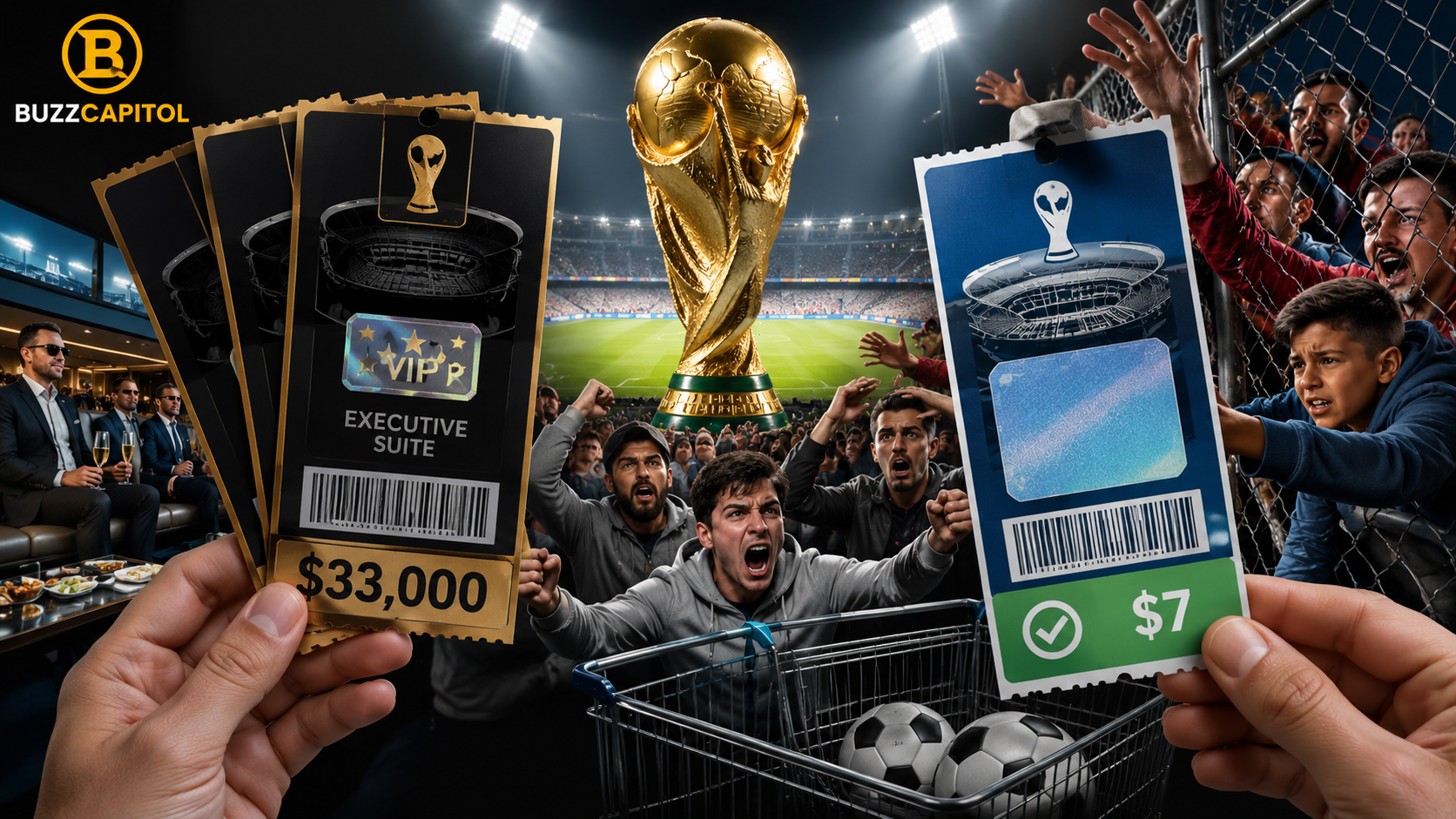
The countdown to the 2026 FIFA World Cup is officially on, but for the average soccer fan, the excitement has rapidly turned into deep-seated frustration. As the tournament approaches, a chaotic and unpredictable ticket market has left many wondering if the “beautiful game” is being transformed into a playground reserved solely for the ultra-wealthy.
The $33,000 Reality Check
The controversy is fueled by FIFA’s introduction of dynamic pricing a model that adjusts ticket costs in real-time based on demand. While FIFA claims this helps combat scalpers, it has led to astronomical figures for marquee matches.
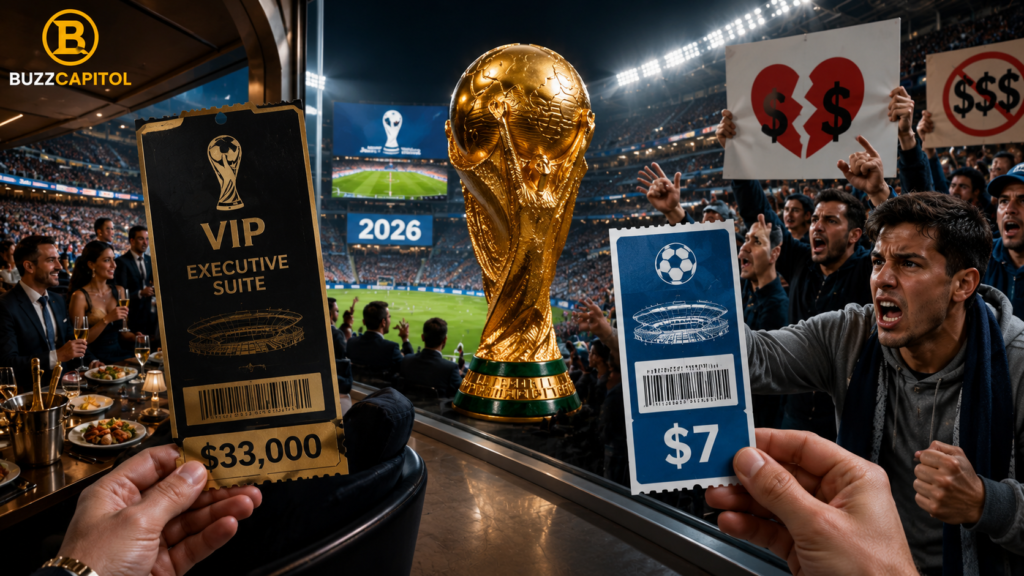
The situation recently hit a boiling point when reports confirmed that Category 1 tickets for the July 19th final at MetLife Stadium have surged to nearly $33,000 on resale markets. Even for the tournament’s earlier stages, tickets initially priced at $600–$1,000 are now routinely selling for two to three times that amount, effectively pricing out thousands of loyal, lifelong supporters who have waited years for this moment.
The $7 Outlier: A Symptom of a Broken System
In a bizarre twist that highlights the volatility of this market, a viral screenshot recently surfaced showing a resale ticket for a group-stage match between Cape Verde and Saudi Arabia selling for just $6.94.
While some might view this as a “bargain,” experts argue it exposes a fundamentally broken system. Lower-demand matches are seeing massive price drops because sellers, realizing there is zero interest, are forced to dump their tickets for pennies. This extreme disparity between a $33,000 seat at the final and a $7 seat in the group stage demonstrates a market governed by algorithmic chaos rather than the actual “fair value” of the sport.
Why Fans Are Protesting
The global soccer community’s fury is growing due to three primary concerns:
- Accessibility: FIFA’s pricing model is widely criticized as elitist, prioritizing corporate sponsors and high-net-worth individuals over the grassroots fanbase that made the sport popular.
- Lack of Transparency: Fans are slamming the lack of clarity regarding how these prices are determined, with many arguing that FIFA is using dynamic pricing to artificially inflate revenues to reach a projected $15 billion record.
- The “Host Nation” Premium: Games involving the USA have seen the most drastic price spikes, leaving local fans feeling exploited in their own backyards.
Is the Dream Out of Reach?
As kickoff approaches on June 11, the anger is about much more than just money it is about the soul of the tournament. When a fan has to choose between a month’s rent and a ticket to watch their national team, the “people’s game” risks losing its connection to the very people it serves.
For now, the message from soccer fans worldwide is clear: the current ticket economy is unsustainable. Whether you are hunting for a miracle $7 deal or staring down a $33,000 price tag, one thing is certain the 2026 World Cup will be remembered as much for its ticket-price controversy as it will for the action on the pitch.
Do you think FIFA should cap ticket prices to keep the game accessible, or is dynamic pricing the only way to combat the secondary market? Share your thoughts in the comments below!







Leave a Reply