
Sudden Move Sparks European Concerne
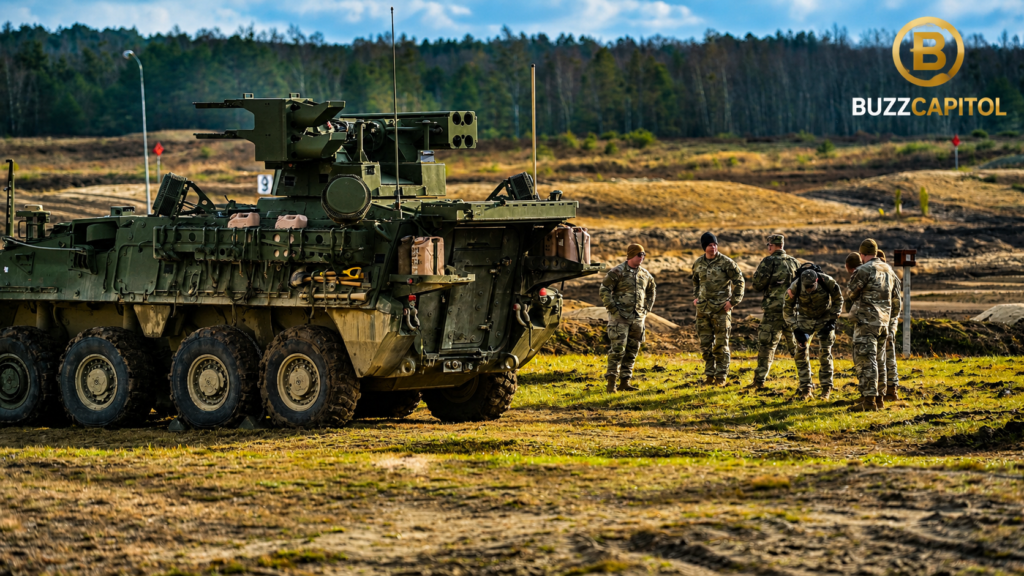
Pentagon officials and European allies were blindsided when Pete Hegseth abruptly canceled the planned deployment of 4,000 U.S. troops to Poland. The troops, stationed in Texas, had already begun arriving in Europe for a long-planned nine-month rotation that included joint NATO exercises, only to be halted unexpectedly.
The surprise decision raises questions about American military strategy in Europe, especially as Russia watches closely. Sources say officials scrambled to understand the reasoning behind the order and determine whether other deployments could be affected. European capitals expressed concern that such last-minute shifts might embolden Moscow.
Table of Contents
The Withdrawal and Its Context
The move comes amid a broader realignment of U.S. forces on the continent. Earlier this month, Hegseth announced plans to withdraw 5,000 troops from Germany, a step tied to ongoing tensions over European support for U.S. operations in the Middle East. While Poland has been praised as a “model ally” for its defense spending and commitment to NATO, the decision to cancel the deployment still sent waves of anxiety across the alliance.
Strategic Implications
Former U.S. Army Europe commander Lt. Gen. Ben Hodges warned that removing rotational forces undermines deterrence and strategic assurance for allies. While the Pentagon maintains that the decision followed a thorough review process, critics say it signals a potential shift in American commitment to European defense.
Reactions Across Europe
European and Polish officials voiced mixed reactions on social media. Some downplayed the impact, citing existing U.S. forces and NATO partners’ contributions. Others noted that Poland has steadily increased defense spending—projected at 4.7% of GDP this year—and expressed hope that rotational deployments would be restored or replaced by permanent forces.

What Happens Next:
Analysts are watching closely to see if this withdrawal sets a precedent for other troop rotations in Europe. While the Pentagon insists the decision is isolated, it underscores ongoing debates about the U.S. role in European security. Allies from Canada, Germany, France, and elsewhere are reportedly stepping up their eastern flank presence, but the absence of the 4,000 troops leaves a temporary gap in deterrence strategy.
Related Stories You Might Like
- U.S. Military’s Shifting Role in Europe: What Allies Need to Know
- NATO Eastern Flank Builds Strength Amid U.S. Troop Adjustments
- Poland’s Defense Spending Hits Record Levels in 2026
Final Thoughts
Hegseth’s sudden cancellation highlights how decisions at the Pentagon can ripple across the Atlantic. For Poland and NATO allies, the move is a reminder that European security increasingly depends on both U.S. coordination and regional preparedness.






Leave a Reply