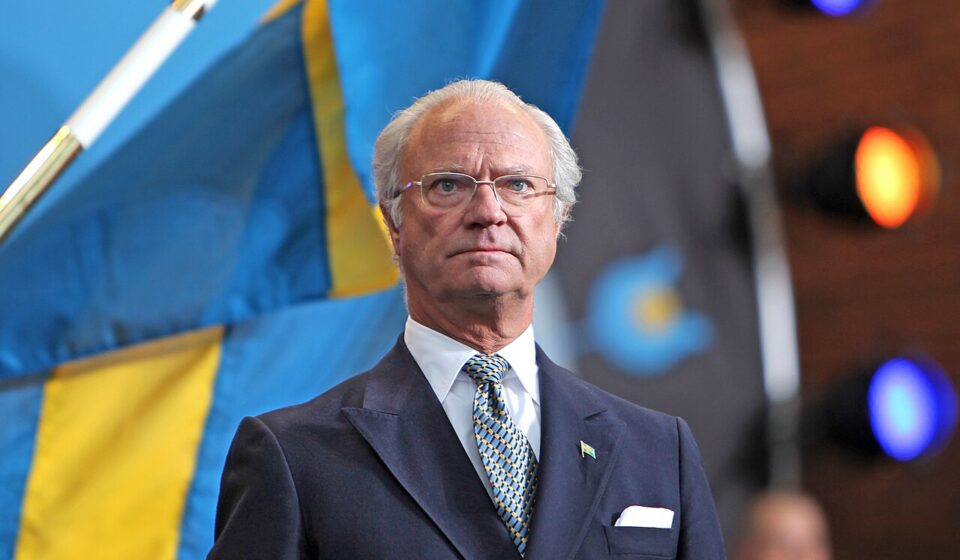
Swedish Royal Family Net Worth: Why the Real Number Is Nowhere Near What Some Sites Claim
King Carl XVI Gustaf’s personal fortune is most consistently estimated at $70 to $80 million, but online estimates for the family’s overall wealth swing as high as $10 billion depending on what gets counted.
NEED TO KNOW
- King Carl XVI Gustaf’s personal net worth is most commonly estimated at $70 to $80 million by outlets like Celebrity Net Worth, largely tied to inherited assets and private property.
- The King’s official household receives an annual government grant, called the appanage, that covered roughly $16 million in costs in 2023, separate from his personal wealth.
- Some websites claim the Swedish royal family is worth $4 billion to $10 billion, but those figures appear to blend state-owned palaces and collections with personal assets, without a clear, verifiable source.
Swedish royal family net worth searches tend to turn up wildly different answers depending on which site you land on, and that’s not an accident of good or bad research it comes down to what each source is actually counting. Some numbers reflect King Carl XVI Gustaf’s personal fortune. Others fold in property the Swedish state technically owns. A few appear to be inflated guesses with no sourcing at all.
Here’s what the numbers actually show, and why they’re so inconsistent.
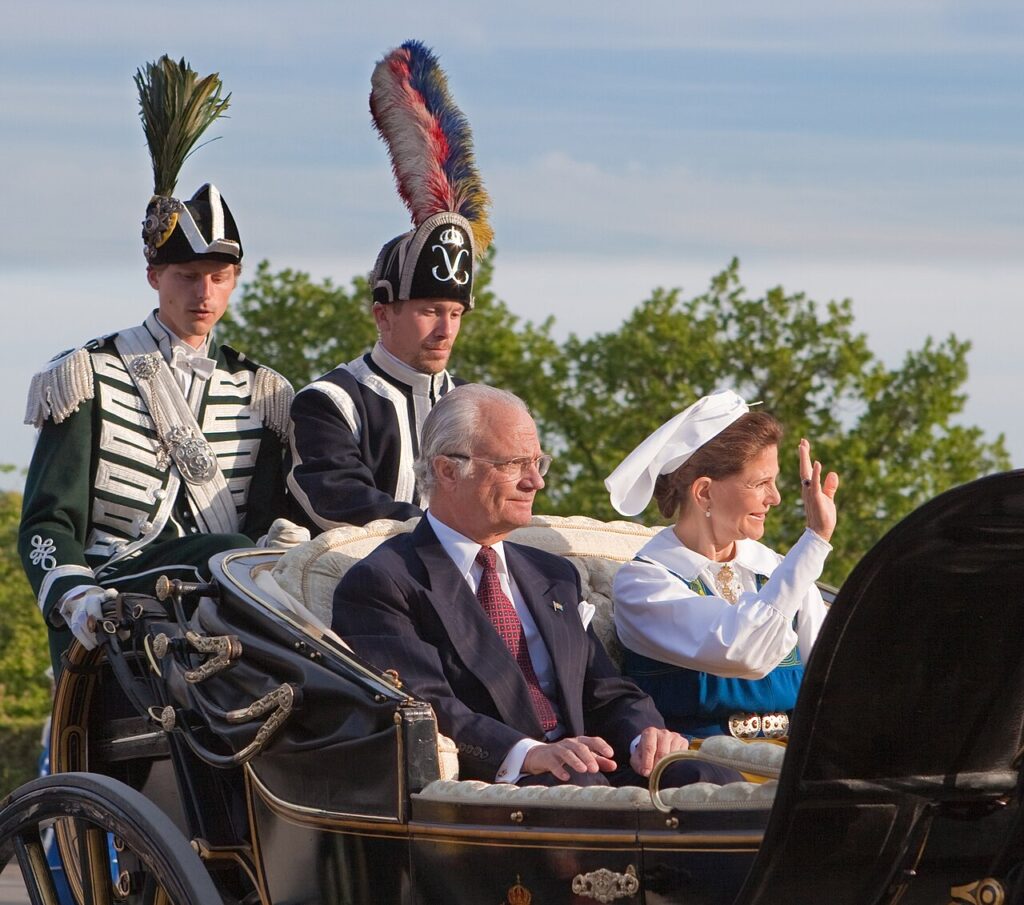
What King Carl XVI Gustaf is personally worth
King Carl XVI Gustaf, Sweden’s monarch since 1973, is most frequently estimated to have a personal net worth of $70 to $80 million, according to figures compiled by Celebrity Net Worth. That estimate is tied to a mix of inherited wealth, family trusts, and private investments, rather than a salary in the traditional sense.
Most of Sweden’s royal palaces, including the Royal Palace of Stockholm, technically belong to the Swedish state rather than to the King personally. One notable exception is Solliden Palace on the island of Öland, a summer residence the King inherited from his great-grandfather and owns privately. He also has use of Drottningholm Palace near Stockholm, where the family actually lives, though that property remains state-owned rather than part of his personal holdings.
Where the government money comes in
Separate from personal wealth, the Swedish monarchy runs on an annual government allowance known as the appanage, which funds official duties, staffing, and the upkeep of royal properties used for state functions. In 2023, King Carl XVI Gustaf’s household received roughly $8 million (about £6 million) from Swedish taxpayers, out of a total Royal Court grant of approximately $16 million (about £11.9 million), covering costs like staff, travel, and official engagements.
That figure has moved around slightly year to year. Reports have put the Court Administration’s budget at around $7 million in 2022, and closer to $7.6 million as far back as 2015, giving a rough sense of how stable and comparatively modest Sweden’s royal funding has stayed over the past decade.
Why some sites say billions instead of millions
This is where things get murky. Some sites estimate the Swedish royal family’s overall net worth at around $4 billion, while others put the figure closer to $10 billion, both citing a combination of the King’s and Queen Silvia’s personal wealth alongside “the assets of the Swedish Royal Palace and other royal properties.” Neither figure comes with a clear breakdown of how state-owned palaces, artwork, and land assets the King doesn’t personally own or control got folded into a private net worth number.
That distinction matters more than it might seem. Government-owned palaces, national art collections, and ceremonial property held in trust for the Swedish state aren’t personal assets any more than the White House is part of a U.S. president’s net worth. Conflating the two produces headline-friendly numbers that don’t hold up against how royal finances actually work.
How Sweden compares to other European monarchies
Sweden’s monarchy has built a reputation for being unusually transparent and financially modest compared to some of its European counterparts, and the numbers back that up. Spain’s King Felipe VI, for comparison, had an office budget of around $9.29 million as of 2020 and drew a personal salary of roughly $250,000 a year, a far more direct and disclosed arrangement than what’s typical among royal households. Denmark’s Queen Margrethe II was estimated to be worth around $40 million, putting her in a similar personal-wealth bracket to Carl XVI Gustaf rather than anywhere close to the billion-dollar range sometimes floated for British royalty.
That comparison points to something worth noting on its own: constitutional monarchies in Scandinavia tend to keep royal personal wealth relatively contained, since the crown’s ceremonial property and national collections stay under state ownership rather than passing into private royal hands. It’s a structurally different model from monarchies where the family holds direct title to a wider portfolio of land, art, and investments, and it’s a big part of why “royal net worth” comparisons across countries rarely measure the same thing.
If you’re looking for the most defensible number, King Carl XVI Gustaf’s personal net worth sits in the $70 to $80 million range, according to the outlets that have actually tried to source and explain the figure. The billion-dollar claims that show up elsewhere online appear to be counting state property the King doesn’t personally own, and none of the sites making those claims cite a clear methodology for how they got there.
As Sweden’s monarchy continues to modernize under Crown Princess Victoria, who’s expected to eventually succeed her father, expect more scrutiny and hopefully more transparency around exactly what belongs to the family and what belongs to the Swedish state.
A note on figures: royal net-worth estimates blend personal assets with state-owned palaces and collections depending on the outlet’s methodology. The $70–80 million personal-wealth range cited here comes from public wealth trackers; no official personal financial disclosure exists.