Royal Family Food, Explained: The Meals, Rules, and Rituals Behind the Palace Table
From a garlic ban that outlasted Queen Elizabeth II’s reign to King Charles’s homemade “groussaka,” the royal family’s eating habits are stricter and stranger than most people realize.
NEED TO KNOW
- Queen Elizabeth II banned garlic from royal kitchens for decades because of its effect on breath during public engagements, a rule King Charles reportedly still follows.
- King Charles’s all-time favorite dish is pheasant crumble pie, a recipe he’s had for years and even riffed on with a grouse version he nicknamed “groussaka.”
- The family avoids shellfish, pasta at dinner, and messy tomato sauces as standard practice, though several younger royals have quietly broken from tradition.
Royal family food has become almost as closely tracked as royal fashion, and it turns out there’s a lot more structure behind it than a few state banquets and afternoon tea trays suggest. Former palace chefs have spent years describing exactly what gets served at Buckingham Palace, Balmoral, and Highgrove and just as importantly, what doesn’t.
The rules go back generations, but they’ve been shaped most by one person: the late Queen Elizabeth II, who ran her household’s kitchen with more discipline than most restaurants.
The garlic ban that’s outlived the Queen
Former royal chef Darren McGrady has said Queen Elizabeth II disliked garlic so strongly that dishes containing it were kept off any table where she was seated, even though her husband, Prince Philip, was a fan of it and had it added to his steak at Balmoral when she wasn’t around. McGrady has also said onions were limited for the same reason, and that meat was never served rare because the Queen preferred it well done.
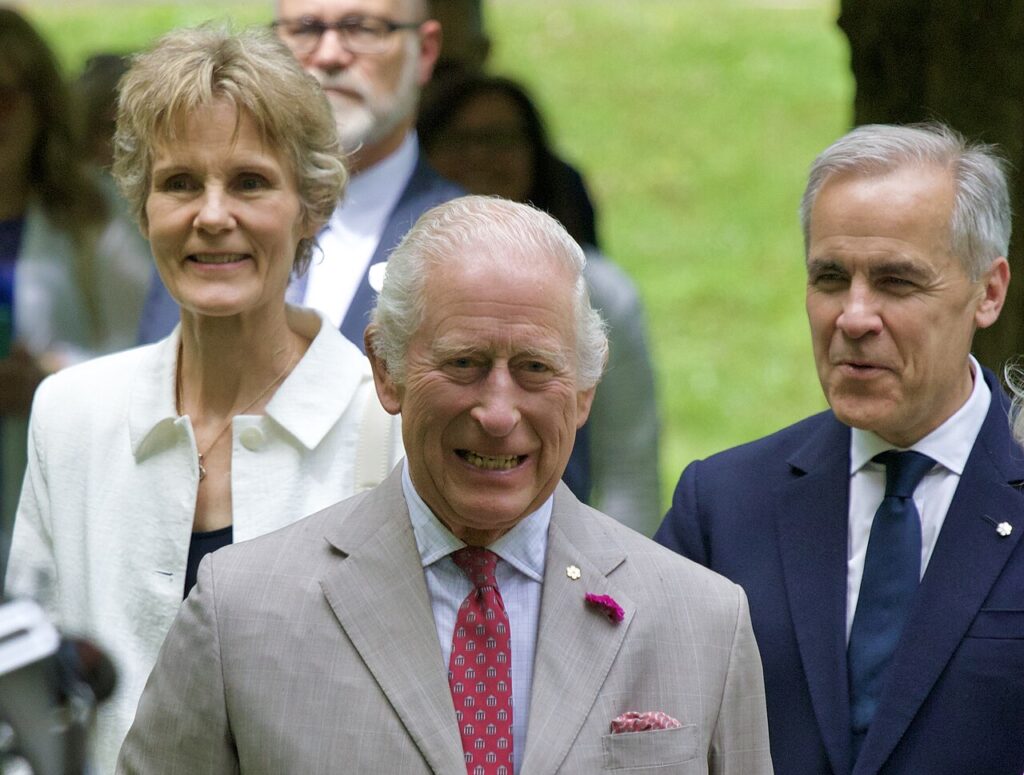
King Charles III is believed to have carried the tradition forward, reportedly never developing much of a taste for garlic himself, and a chef who has cooked for the family told the Daily Express that Charles also tends to avoid chocolate and coffee at dinnertime. The reasoning tracks back to something practical: a busy schedule of handshakes and public appearances doesn’t leave much room for garlic breath.
King Charles’s actual favorite meal
Despite the diplomatic restraint around garlic, the King has never hidden his enthusiasm for game meat. To mark his 70th birthday, Charles guest-edited an issue of Country Life magazine and used the opportunity to share the recipe for what he called his favorite dish: pheasant crumble pie. “I got this recipe from someone I know. It is delicious,” Charles reportedly said of the dish at the time, according to the Daily Mail.
He didn’t stop at pheasant, either. Charles has said he likes experimenting with other game meats in the same style, once writing, “I invented a grouse one recently, Coq au Vin with Grouse, as well as Moussaka with Grouse (it doesn’t always have to be lamb), in other words Groussaka!” Much of the game that ends up on his plate reportedly comes straight from royal estates and the Duchy of Cornwall, which keeps the family effectively self-sufficient when it comes to meat.
Jam pennies and the Queen’s daily routine
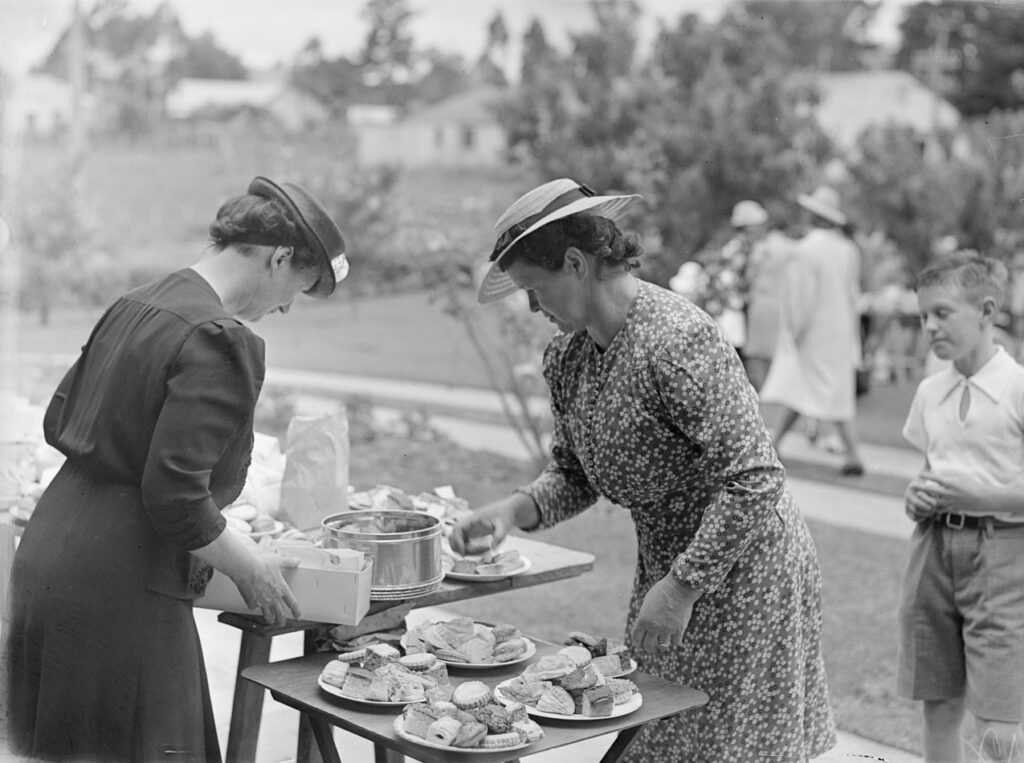
If Charles’s food story is about game birds, the late Queen’s was about consistency. According to McGrady, Queen Elizabeth had a favorite teatime snack called “jam pennies” small, crustless, circle-cut sandwiches made with bread and strawberry jam that she reportedly ate daily going back to childhood. The circular shape wasn’t random, either: royal staff reportedly avoided pointed sandwich shapes out of an old superstition tied to bad luck for the monarchy.
Away from tea time, the Queen kept a fairly strict pattern: no starchy sides like pasta, rice, or potatoes with dinner, and no shellfish or foie gras when dining out, a rule McGrady has said applied to the whole family as a way to avoid food poisoning while traveling. Lunch tended to be lighter, often grilled fish or chicken with vegetables, while dinner varied between meat or fish paired with more vegetables.
That said, the shellfish rule wasn’t absolute. McGrady has pushed back on the idea that the Queen avoided all seafood, noting that scallops and shrimp were regularly cooked for her. The stricter line seems to have applied mainly to travel and public dining, where the stakes of a stomach bug were considerably higher.
Where the younger royals break the rules
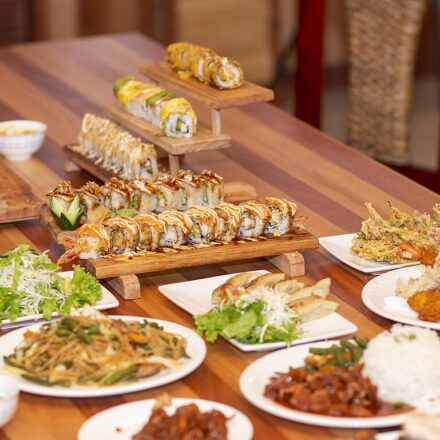
Not every royal has stuck to the old playbook. Prince William has said he and Kate Middleton actually enjoy sushi, and King Charles was photographed tasting oysters at the Whitstable Oyster Festival back in 2013. William and Kate have also been open about a much less regal favorite: Indian takeout, specifically curry, which the couple has said they enjoy together.
Tomato sauce has its own quiet ban, too. Ahead of a 2000 visit to Rome and Milan, staff at the Italian president’s palace were reportedly told not to serve garlic, pasta, or tomato sauce to the Queen and Prince Philip, since the family prefers to avoid “messy” sauces at the table.
The bigger picture: why the rules exist at all
Strip away the quirks, and most of these habits point to the same practical concern a family whose entire schedule depends on public appearances can’t afford a bad stomach or bad breath in the middle of a state visit. A royal butler has suggested the food-safety-driven rules, particularly around shellfish and undercooked meat, exist largely to prevent embarrassing health issues during official events. It’s less about royal snobbery and more about damage control for a family that’s rarely off-camera.
There’s also a strong thread of self-sufficiency running through royal meals that doesn’t get talked about as much as the garlic ban. Ingredients for royal tables have traditionally come from the family’s own land salmon pulled from estate rivers, game shot on the grounds at Balmoral, fruit picked from Highgrove’s orchards which means a fair number of “favorite” royal dishes are really just whatever the estate happened to produce that season. It’s a farm-to-table system that predates the trend by roughly two centuries.
Even the family’s pets have gotten in on the tradition of royal-grade food consistency: the late Queen’s corgis reportedly ate from a rotating menu of beef, chicken, lamb, and rabbit, prepared with the same seasonal logic applied to the humans at the table.
With King Charles now setting the tone at royal dinners, and William and Kate continuing to mix tradition with their own preferences like curry nights and sushi runs, royal family food looks headed toward a slightly less rigid future garlic aside. Whether “groussaka” makes a comeback at the next big family gathering remains to be seen.