The Awadh Royal Family, Explained: A Real Dynasty, a British Annexation, and One Disputed “Princess” Who Lived in a Delhi Train Station
The actual Nawabs of Awadh ruled for over a century before the British took their kingdom — but the family’s most talked-about modern chapter belongs to a woman whose royal claim was never verified.
NEED TO KNOW
- The Awadh royal family, known as the Nawabs of Oudh, ruled a wealthy kingdom in northern India from 1722 until the British East India Company annexed it in 1856.
- That annexation helped trigger the 1857 Indian Rebellion, one of the largest uprisings against British colonial rule in South Asia.
- Decades later, a woman calling herself Begum Wilayat Mahal claimed direct royal descent, camped in a New Delhi train station for nine years, and moved into a ruined 14th-century lodge a story later scrutinized by The New York Times.
The Awadh royal family wasn’t a footnote in Indian history for more than a hundred years, it ran one of the wealthiest and most culturally influential kingdoms in the subcontinent. But the version of this story that keeps resurfacing online today isn’t really about the original dynasty. It’s about a woman who showed up decades later claiming to be its last living heir, and whose story turned out to be far stranger than the history books.
Here’s what’s actually verified about the family, and what’s still disputed.
The real Nawabs of Awadh
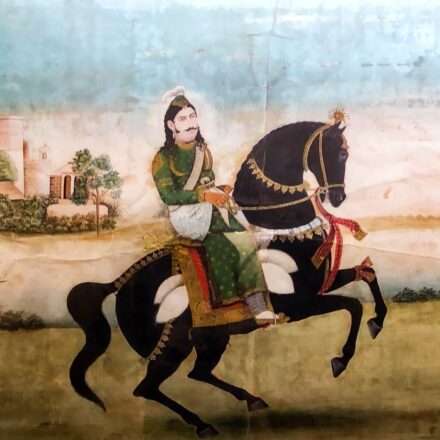
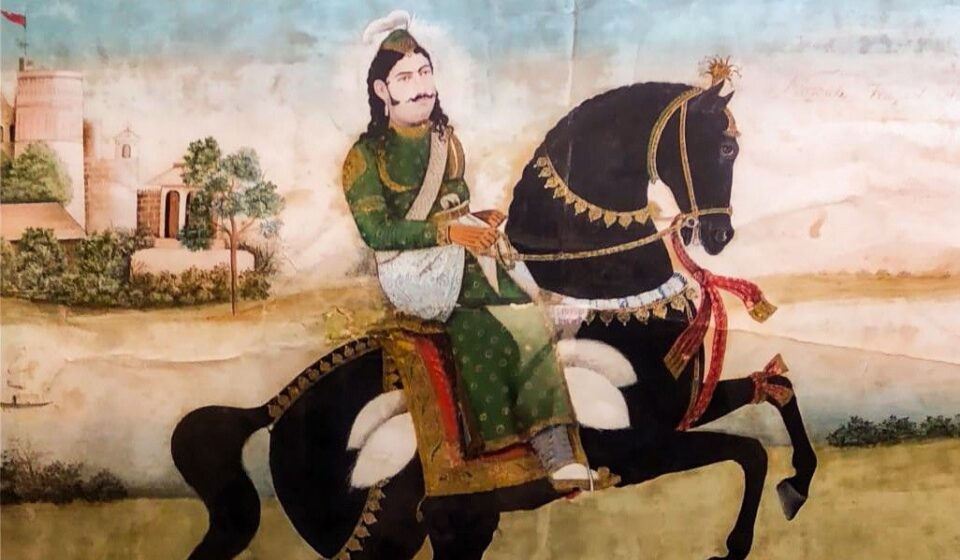
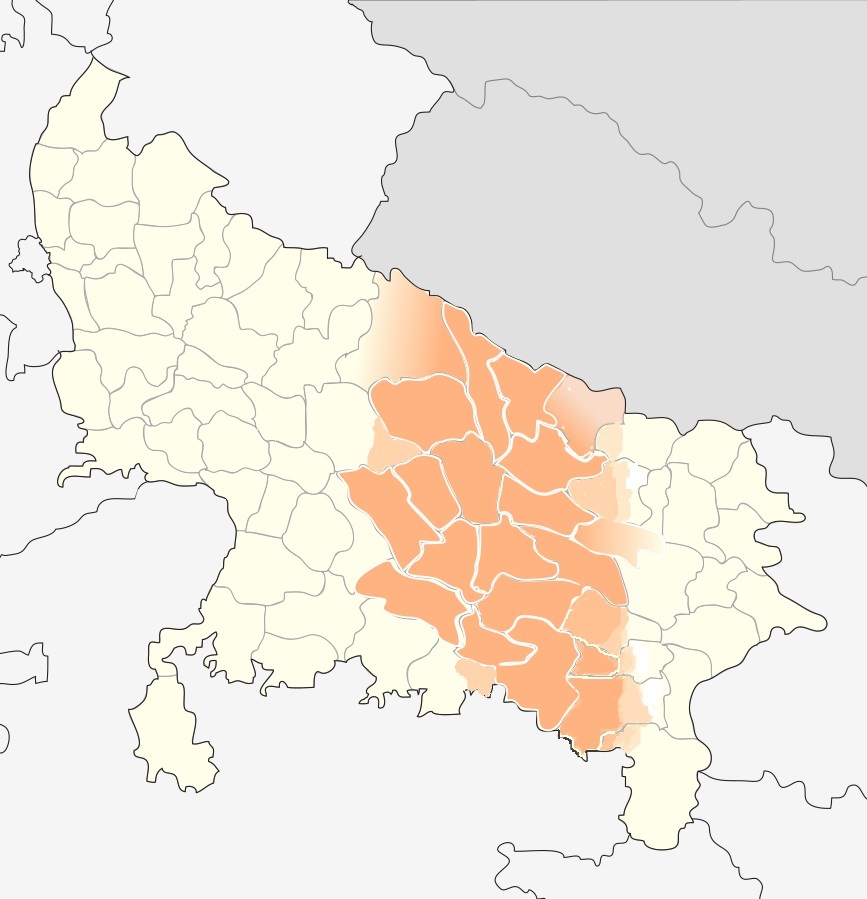
The Kingdom of Awadh, also spelled Oudh, was founded in 1722 by Sa’adat Khan, an official appointed under the Mughal Empire who eventually established his own ruling line with capitals first in Faizabad and later Lucknow. Over the next century, the Nawabs of Awadh built one of the most culturally rich courts in India, known for patronage of poetry, architecture, and classical dance forms like Kathak, particularly under the family’s last reigning king, Wajid Ali Shah.
That golden era ended in 1856, when the British East India Company annexed Awadh outright and dethroned Wajid Ali Shah, citing accusations of misrule. The move backfired badly. Resentment over the annexation is widely considered one of the key sparks behind the Indian Rebellion of 1857, a massive uprising against British colonial control that reshaped the next century of Indian history. Wajid Ali Shah’s second wife, Begum Hazrat Mahal, went on to become one of the rebellion’s most prominent leaders, refusing to accept British authority even after her husband’s exile.
Today, verified descendants of the actual royal house live largely in Lucknow and Kolkata. Some still receive a modest government pension known as a wasika, a payment tied to the original 1856 annexation settlement, which even now amounts to only a small monthly sum for the roughly 1,200 people who receive it.
The claim that turned into a decades-long mystery
Where things get complicated is with a woman who appeared in New Delhi in the mid-1970s calling herself Begum Wilayat Mahal, insisting she was a direct descendant of the Awadh royal line and the rightful heir to a throne the British had abolished more than a century earlier.
Her method of getting the government’s attention was hard to ignore. She moved into the first-class waiting room of New Delhi Railway Station along with her children, Prince Ali Raza and Princess Sakina, a staff of servants, and a pack of guard dogs, and stayed there for roughly nine years, from 1975 to 1984. She reportedly furnished the space with Persian carpets and fine porcelain, effectively building a royal court inside a train station.
The protest worked, at least partially. In 1985, the Indian government granted the family use of Malcha Mahal, a crumbling 14th-century hunting lodge originally built under Sultan Firuz Shah Tughlaq. The family moved in, cut themselves off from the outside world almost entirely, and lived for years without running water or electricity, cooking over wood fires and getting rations from a nearby market.
The isolation didn’t end the scrutiny. Journalists remained fascinated with the family for decades, and the story took a darker turn in 1993, when Begum Wilayat Mahal reportedly died by suicide inside the lodge, allegedly by swallowing crushed diamonds. Her son, Prince Ali Raza, known as Cyrus, continued living at Malcha Mahal in near-total seclusion until his own death in 2017, found by police inside the ruined building weeks after he’d apparently died.
Why historians still doubt the royal claim
A 2020 New York Times investigation dug into the family’s actual identity and found a very different picture than the one they’d presented publicly for over 40 years. According to that reporting, the woman calling herself the Begum of Oudh was born Wilayat Butt, the widow of a Pakistani civil servant, and her son “Prince Cyrus” was actually named Mickey Butt. The verified Royal House of Awadh, based in Lucknow and Kolkata, has disputed the family’s claims for years and accused them of fabricating their lineage entirely.
None of that stopped the story from becoming one of Delhi’s most enduring urban legends. Malcha Mahal itself, now mostly abandoned and reclaimed by trees, bats, and stray animals, remains a magnet for history buffs and paranormal enthusiasts alike, even though no government body currently manages or maintains the site.
The gap between the two stories is really the point here. The real Awadh royal family left behind poetry, architecture, and a rebellion that changed the course of colonial India. The family that claimed its name decades later left behind a train station protest, a ruined palace, and a mystery journalists are still trying to fully untangle. Both versions get search traffic today, but only one of them holds up against the historical record.