Manchester Mayoral Election: Bev Craig Favored to Win Byelection Overshadowed by Andy Burnham’s Rise to PM
More than 2 million voters are choosing a successor to Andy Burnham, but the race has drawn less attention than expected after his sudden move to Downing Street.
NEED TO KNOW
- Polls opened Thursday in the Greater Manchester mayoral byelection, called after Andy Burnham stepped down to become prime minister.
- Labour’s Bev Craig, leader of Manchester city council, holds a commanding double-digit polling lead over Reform UK’s Sian Astley.
- The result will be seen as an early signal ahead of the 2027 local elections across Greater Manchester’s ten boroughs.
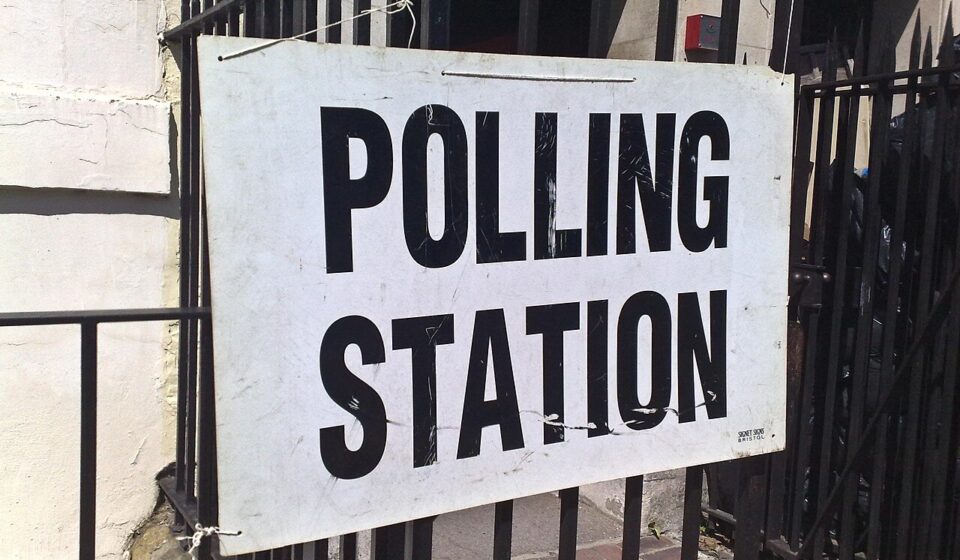
Voters across Greater Manchester headed to the polls Thursday to choose a new mayor, in what’s being described as the largest byelection in British political history.
More than 2 million people are eligible to vote in the contest, which was triggered after Andy Burnham won a separate parliamentary seat in June and subsequently rose to become prime minister. That left the powerful mayoralty which oversees a roughly £3 billion annual budget covering housing, transport, health, and policing vacant for the first time since Burnham took the role.
Despite the scale of the election, the race has struggled for attention. Labour’s Bev Craig, the current leader of Manchester city council, is widely expected to win comfortably, and much of the political spotlight has shifted elsewhere — largely toward Burnham’s unexpected path to Downing Street and Reform UK leader Nigel Farage’s own byelection fight in Clacton against a novelty candidate running as Count Binface.
Polling Points to a Clear Labour Lead
Recent polling from More in Common put Craig roughly 20 percentage points ahead of Reform UK’s Sian Astley, with most of that survey conducted before Burnham’s promotion to prime minister reshaped the political landscape. The Green Party sat in third place, narrowly ahead of the Conservatives.
The byelection uses a supplementary voting system, meaning that if no candidate clears 50% of first-preference votes, second-choice preferences get factored in. That system is broadly seen as favoring Labour, since Craig is likely to pick up second-preference support from Green, Liberal Democrat, and even some Conservative voters a cushion Reform UK cannot count on in the same way. Pollsters suggest Craig’s lead could widen to around 30 points if Astley ends up in second place.
A Reversal for Reform UK in Its Own Stronghold
The numbers mark a notable shift from May’s local elections, when Reform UK won more than 100 council seats across Greater Manchester, including nearly a clean sweep in Wigan and Tameside two boroughs with a long history of Labour dominance. One senior Labour figure suggested the party expects to reclaim ground in those same areas this time, framing May’s Reform UK surge as more of a protest vote against the government than a lasting shift in loyalty.
Reform UK’s momentum has also cooled nationally in recent weeks. Labour edged ahead of Farage’s party in national polling this week for the first time since March 2025, following renewed scrutiny of Reform UK’s campaign funding.
The Green Party, meanwhile, is hoping to outperform expectations. The party took 7% of the vote when the mayoralty was last contested in 2024 and has since made gains in Manchester city center, not far from the Gorton and Denton constituency it won earlier this year. Greens close to the campaign believe current polling undersells their support beyond the city core.
Why This Race Matters Beyond Thursday
The result will be closely watched as a preview of the 2027 local elections, when a third of council seats across Greater Manchester’s ten boroughs will be up for grabs. Reform UK is reportedly targeting councils including Bolton, Wigan, and Rochdale, while the Greens are aiming to challenge Labour’s decades-long hold on Manchester city council, where they’ve already become the second-largest party.
Turnout is one of the bigger question marks. Some residents in the region will have voted three times in the past five months alone, and organizers on both the Labour and Green sides say public awareness of Thursday’s vote has been unusually low. Turnout in 2024 stood at 32%; a similar or lower figure is expected this time, though even a third of the electorate casting ballots would still represent a verdict from roughly 600,000 voters.
Results are expected Friday afternoon.