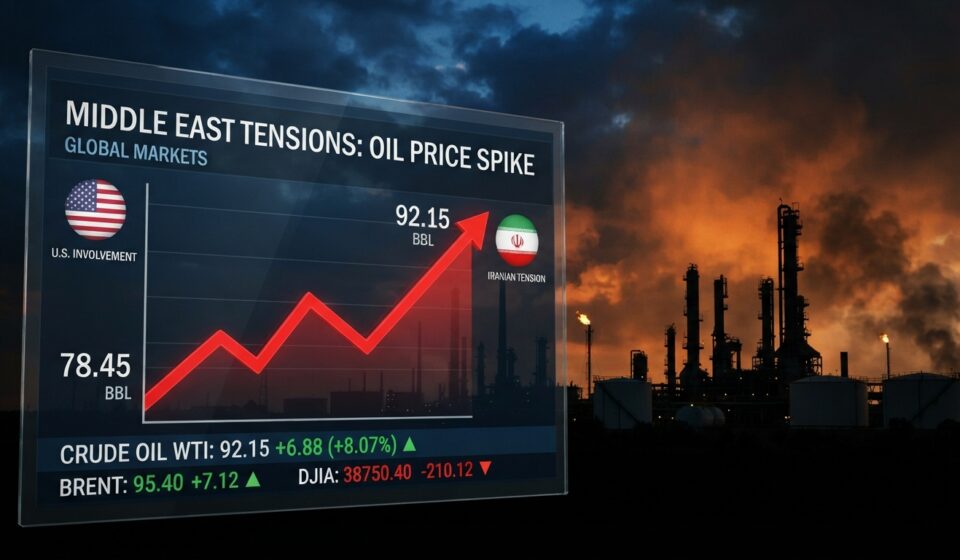
Trump News: Iran Ceasefire Collapses as US Launches Fresh Strikes: Oil Prices Spike Amid Escalating Tensions
By Buzz Capitol Team
The fragile peace between the United States and Iran has officially unraveled.
On Wednesday, July 8, 2026, President Donald Trump declared the recent ceasefire “over” after Iran allegedly attacked commercial ships in the critical Strait of Hormuz. In response, the US military launched another round of intense strikes on Iranian targets the second night in a row targeting around 90 sites including missile storage facilities, air defenses, and coastal infrastructure.
This rapid escalation has sent shockwaves through global markets, with oil prices jumping as fears grow over disrupted energy supplies. Here’s the latest on this fast-moving US-Iran news and what it means for the world.
Table of Contents
What Triggered the Latest Round of US-Iran Strikes?
According to US Central Command (CENTCOM), the strikes were necessary to stop Iran from threatening commercial shipping and civilian crews in the Strait of Hormuz a vital passageway for nearly 20% of the world’s oil supply.
Iran hit back hard. The Islamic Revolutionary Guards Corps claimed responsibility for launching missiles and drones at American bases in Kuwait and Bahrain. Both countries reported activating air defenses and intercepting incoming threats.
Iranian officials accused the US of violating the terms of the temporary deal signed last month. Mohammad Bagher Ghalibaf, Iran’s top negotiator, posted a strong warning on social media: “Hit, and you’ll be hit. The Strait of Hormuz will open only under Iranian arrangements, not American threats.”
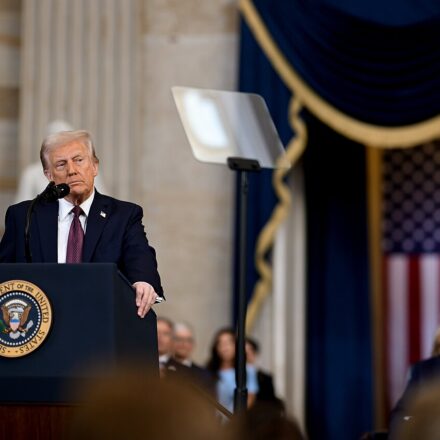
President Trump, speaking aboard Air Force One while returning from a NATO summit, said Iran had reached out wanting “to make a deal so badly,” but questioned whether they could be trusted. “I just don’t know if they’re worthy,” he added.
Oil Prices Surge as Shipping Chaos Returns
Energy markets reacted immediately to the Iran war news.
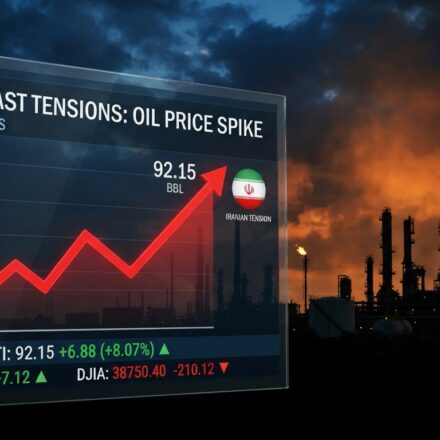
- Brent crude oil price rose nearly 1% to around $78 per barrel.
- West Texas Intermediate (WTI) also climbed, hovering near $74.
- Gasoline prices in the US jumped to an average of $3.85 per gallon.
Analysts warn that prolonged disruption in the Strait of Hormuz could push prices even higher. Shipping traffic through the strait has already dropped dramatically from over 130 ships per day before the conflict to just 41 recently. Many vessels are now avoiding the area or taking riskier routes.
Experts at ING described the situation clearly: markets had become “far too relaxed” about the risks. With the ceasefire looking shaky, the recovery in regional oil supply is now in serious doubt.
Inside the Fragile Ceasefire That Just Fell Apart
The temporary agreement reached in June was always on thin ice. It aimed to reopen the Strait of Hormuz for safe shipping in exchange for some sanctions relief on Iranian oil. But almost immediately, both sides accused each other of bad faith.
Iran insisted on controlling shipping routes near its coast. The US pushed for freedom of navigation and encouraged ships to use routes closer to Oman. Tensions boiled over when Iran targeted tankers this week, prompting the US to revoke oil sanctions waivers and launch strikes.
Trump, speaking to reporters earlier, said he thought the deal was finished but left the door open for negotiations. “I don’t think it’s going to start again,” he said, while warning that further Iranian aggression would be met with overwhelming force.
Funeral Chaos and Internal Iranian Divisions
The timing of this escalation is particularly sensitive. Iran is in the middle of massive funeral ceremonies for Supreme Leader Ayatollah Ali Khamenei, who was killed earlier in the conflict. His burial in Mashhad was delayed due to US strikes hitting a railway line connecting Tehran to the city.
Hard-liners inside Iran are pushing back against any negotiations, while more moderate voices urge caution. Reports emerged of crowds attacking President Masoud Pezeshkian and Foreign Minister Abbas Araghchi during funeral processions, highlighting deep divisions within the country.
Trump’s Air Force One Drama
Adding another layer of drama to the day, President Trump switched planes during his return trip from Turkey. He flew out of Ankara on the older Air Force One as a security precaution, according to sources, before switching to the new Qatari-gifted jet at Mildenhall Air Base in England.
Trump denied it was due to specific threats from Iran but acknowledged he remains “number one on their list.” The move has sparked questions about the security upgrades on the new presidential aircraft.
What Happens Next in US-Iran War?
For now, the situation remains highly volatile. Iran has warned of expanding retaliation if strikes continue. The US says its goal is limited protecting shipping but many fear this could spiral into a wider conflict.
Global leaders are watching closely. NATO Secretary General Mark Rutte called the US response “absolutely necessary.” Meanwhile, energy markets, shipping companies, and everyday consumers are already feeling the impact through higher fuel costs.
This Iran war update serves as a stark reminder of how quickly tensions in the Middle East can affect the entire world. As President Trump navigates this crisis, the coming days will be critical in determining whether diplomacy can prevail or if further military action is inevitable.
Stay tuned to Buzz Capitol for the latest Trump news, Iran news today, and real-time developments in this unfolding story.