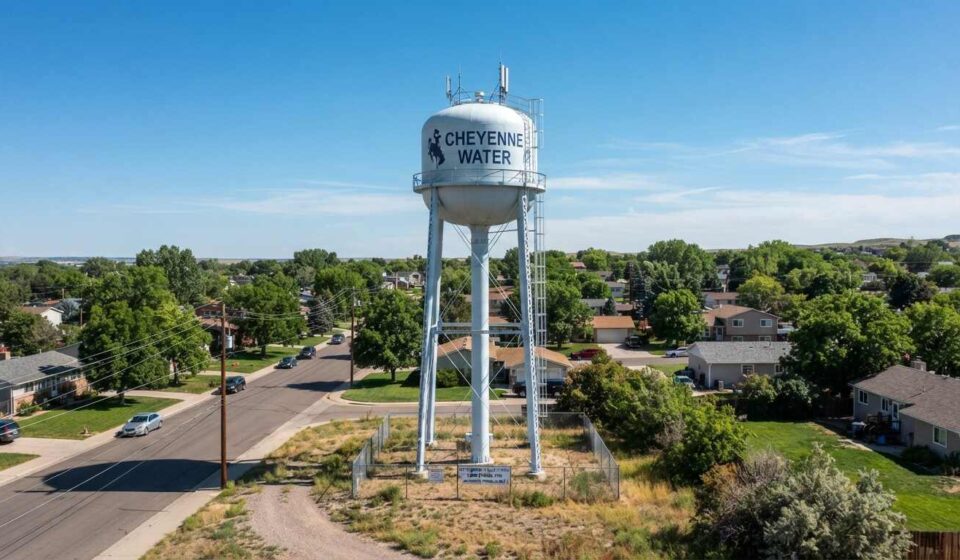
Cheyenne Water System Bacteria Issue: What Residents Need to Know
Residents of Cheyenne, Wyoming, rely on a carefully managed water system for everyday needs, including the city’s innovative reclaimed water program that supports irrigation across the community. Earlier this year, that system encountered an unexpected challenge when a rare bacterium entered the wastewater treatment process.
The Cheyenne Board of Public Utilities (BOPU) acted quickly to address the cheyenne water system bacteria issue, identifying the source and taking steps to restore normal operations. While drinking water remained unaffected, the incident highlighted vulnerabilities in industrial discharges and prompted new policies for large construction projects.
Table of Contents
Background
Cheyenne’s wastewater reclamation facilities at Dry Creek and Crow Creek treat used water so it can safely irrigate parks, golf courses, and other public spaces. This program reduces demand on freshwater supplies and supports sustainable water use in the high-plains environment.
Routine monitoring by BOPU laboratory staff plays a critical role in keeping these systems running smoothly. In late February 2026, tests during normal sampling detected something unusual in the wastewater stream.
Additional analysis by the Wyoming Public Health Laboratory identified the organism as Cupriavidus gilardii, a bacterium often associated with soil environments and known for resistance to certain metals. It is rarely linked to human infections but can interfere with biological treatment processes in wastewater facilities.

What Happened
Investigators traced the bacteria back to fill-and-flush operations at a construction site for Meta’s data center campus in the High Plains Business Park. Goat Systems LLC, a contractor involved in the project, discharged water from cleaning and testing closed-loop cooling systems directly into the city’s sanitary sewer.
This type of discharge, part of preparing cooling infrastructure before full operation, introduced the bacterium into the treatment plants. The contamination affected the biological processes essential for breaking down waste, forcing BOPU to suspend the reclaimed water irrigation program.
By March 24, 2026, officials had revoked Goat Systems’ discharge privileges. The company immediately stopped the activity, and Meta has stated that the contractor began hauling wastewater offsite instead.
Why It Matters
The cheyenne water system bacteria issue disrupted a key resource for local landscaping and agriculture support. Reclaimed water helps conserve precious freshwater in Wyoming’s arid climate, and its absence required adjustments for users across the city.
Although no illnesses were reported and drinking water quality stayed within all standards, the event raised questions about industrial impacts on municipal systems. Data centers require significant water infrastructure during construction, and this incident underscores the need for stricter oversight of such projects.
For a growing city like Cheyenne, balancing economic development with infrastructure protection has become increasingly important. The $800 million Meta campus represents major investment, but officials now emphasize that future operations must align with local environmental safeguards.
Key Details
BOPU’s response included intensive monitoring and efforts to flush the bacteria from the system. By late June 2026, tests at both reclamation facilities showed the bacterium fully cleared. The reclaimed water program resumed on June 29.
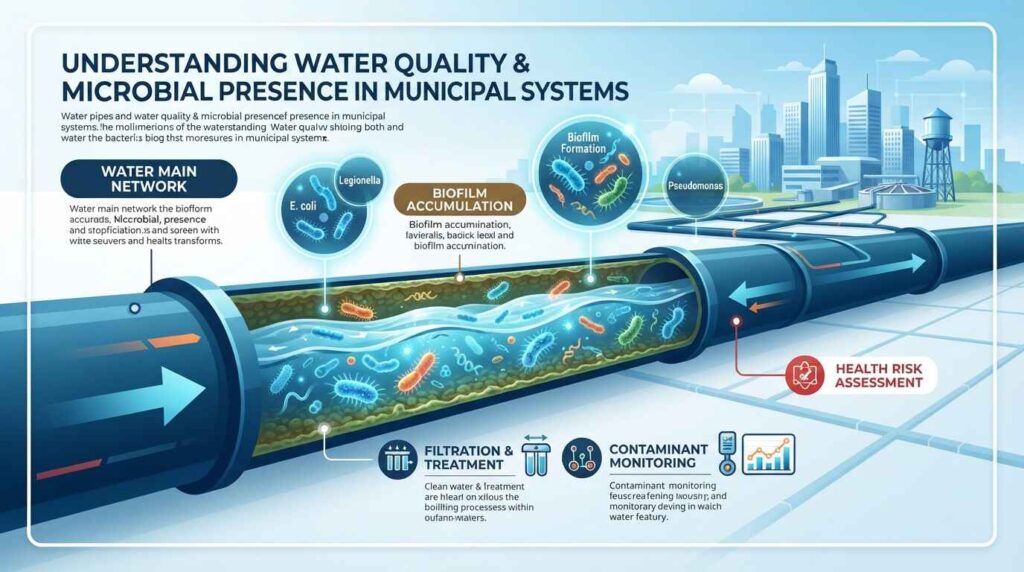
Cupriavidus gilardii thrives in certain industrial settings due to its metal resistance, making it a rare but notable disruptor in standard wastewater treatment. Officials noted it posed very low risk to the general public.
The city also issued a Significant Noncompliance Violation Notice to Goat Systems LLC under local, state, and federal regulations. This public notice detailed the pass-through and interference violations at the treatment facilities.
Official Statements
Frank Strong, BOPU’s engineering and water resource division manager, confirmed the source during interviews with local media. He explained that the discharged construction water already contained the bacterium before entering the sewer system.
Erin Lamb, administrative and public affairs coordinator for BOPU, emphasized that the industrial user’s privileges would not be reinstated. “There is no scenario” for restoring sewer access in this case, she told reporters.
City leaders, including council members, expressed disappointment. One official described the situation as “a very, very unpleasant surprise,” highlighting the unexpected nature of the contamination from a major project.
BOPU adopted a new policy prohibiting wastewater discharges from data centers using closed-loop cooling and fill-and-flush systems until further notice. This applies broadly to protect the reclamation infrastructure.
What Happens Next
Cheyenne officials will continue monitoring the wastewater system closely in the coming months. BOPU plans to pursue remediation costs from the responsible party as allowed by regulations.
The broader suspension on data center-related discharges signals a cautious approach to future industrial growth. City leaders aim to develop clearer guidelines that support development while safeguarding water resources.
Residents can expect regular updates through BOPU channels. The agency has stressed transparency moving forward and encouraged proper disposal practices from all users to prevent similar issues.
For those relying on reclaimed water, normal service has resumed, but officials advise staying informed about any ongoing testing results.
Conclusion
The cheyenne water system bacteria issue served as a wake-up call for infrastructure resilience in a city experiencing rapid growth. Thanks to proactive monitoring and swift action by BOPU staff, the contamination was contained without impacting public health or drinking water.
This episode reinforces the importance of coordination between municipalities and large-scale industrial projects. As Cheyenne continues to attract investment, maintaining strong environmental standards will help ensure reliable water services for generations to come.
Local leaders remain committed to protecting the community’s resources while supporting responsible economic development. Residents can take confidence in the robust oversight that ultimately resolved this challenge.