Sony’s PlayStation Puga Prototype: The Controller That Hid a Full PS1
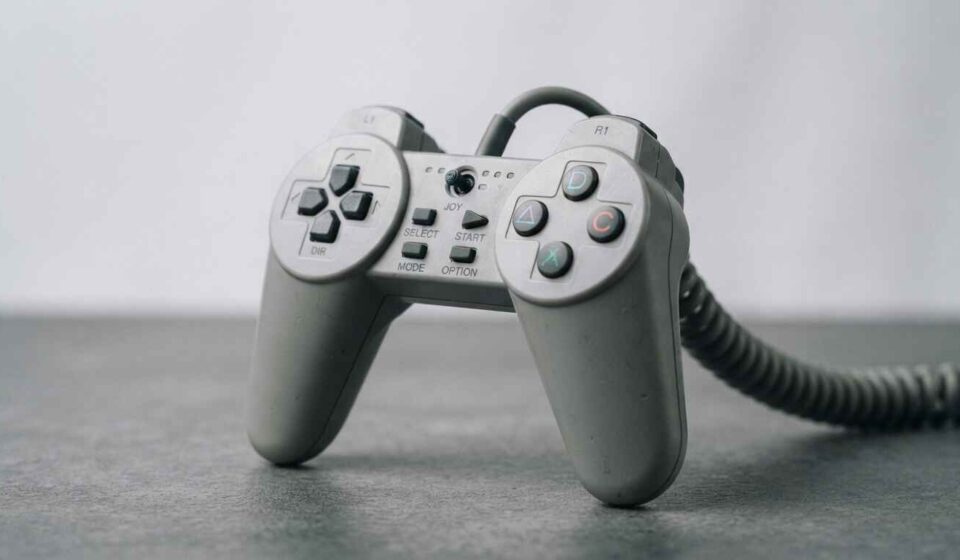
Gaming fans love uncovering hidden chapters in console history, and a recent event delivered one of the most surprising finds in years. A veteran developer shared details about the playstation puga sony prototype, a device that crammed a complete PlayStation 1 into a familiar DualShock controller shell.
This unreleased hardware offers a fascinating glimpse into Sony’s early efforts to navigate tricky international markets while experimenting with portable and plug-and-play designs.
Background
Sony’s PlayStation brand transformed the gaming industry in the 1990s, but expanding into every region came with unique challenges. Brazil, in particular, presented hurdles due to strict import regulations that made traditional console distribution difficult.
Developers and engineers at Sony explored creative solutions to bring PlayStation experiences to more players. One idea involved shrinking the hardware dramatically while keeping the familiar controller design that fans already loved.
Brian “Biscuit” Watson, a longtime industry veteran who worked at Sony and DMA Design, recently showcased this forgotten project during a talk at The Retro Collective museum in the UK.
What Happened
The playstation puga sony prototype looked like a standard DualShock controller on the outside but contained full PS1 hardware inside. It connected to a TV via a cable and ran on four AA batteries, making it a portable yet home-console hybrid.
Watson demonstrated the device, which no longer functions today, and explained its technical specs. Powered by a TI-OMAP 3530 system-on-a-chip with an ARM CPU, it featured 4GB of storage capable of holding about 10 pre-loaded games.
Sony specifically targeted the Brazilian market, planning local manufacturing to bypass import barriers. The concept resembled modern plug-and-play mini consoles but arrived decades earlier.
Why It Matters
This prototype highlights Sony’s willingness to innovate during the PS1 era to grow its global footprint. It also shows the technical ambition behind seemingly simple controllers and how market-specific solutions shaped hardware development.
For retro gaming enthusiasts, the PlayStation Puga represents a “what if” moment. Had it launched, it might have influenced later mini consoles and portable designs. Instead, it joined the ranks of intriguing canceled projects that fuel community discussions today.
The story underscores challenges in the gaming industry, from royalty structures to regional regulations, that continue influencing decisions decades later.
Key Details
Watson shared that the prototype worked reliably during development. It was designed as a self-contained unit with games pre-installed on an SD card, eliminating the need for separate discs in its target market.
The device used standard AA batteries for power, offering a convenient option for players without constant access to outlets. Its DualShock-style form factor would have felt instantly familiar to existing PS1 owners.
Only limited prototypes were made, and Watson displayed one during his presentation. The project never moved beyond this stage despite promising early results.
Official Statements
During his talk, Watson recounted internal discussions at Sony. He mentioned tensions around royalty arrangements, noting that the company offered game studios just 10 cents per unit sold, which complicated partnerships.
He also expressed strong personal investment in the project, saying at one point that he “almost left Sony over that one.” His comments reveal the passion developers brought to experimental hardware ideas.
Watson emphasized the prototype’s focus on Brazil due to local manufacturing plans and import challenges. Officials have not released additional details about exact production numbers or testing phases.
What Happens Next
The revelation has sparked renewed interest in Sony’s archives and other unreleased prototypes. Retro communities are likely to dig deeper into similar projects from the PS1 and PS2 eras.
Watson continues sharing insights from his 40-year career, potentially uncovering more hidden gems. Collectors and historians hope preserved units might surface for display or study, though functionality remains limited.
Sony has not commented publicly on the PlayStation Puga, focusing instead on current hardware like the PS5. The story may inspire new appreciation for the engineering creativity that built the PlayStation legacy.
Conclusion
The playstation puga sony prototype stands as a testament to the innovative spirit that defined Sony’s early gaming ventures. Though it never reached shelves, its existence reminds us how market needs and technical boldness shaped the devices we love.
Brian Watson’s willingness to share this piece of history enriches our understanding of PlayStation’s roots. For fans, it’s another chapter in the ongoing story of a brand that revolutionized entertainment.
As retro gaming grows in popularity, projects like the Puga help connect past experiments to today’s sophisticated consoles. They celebrate the people behind the hardware and the creative risks taken along the way.